Electricity
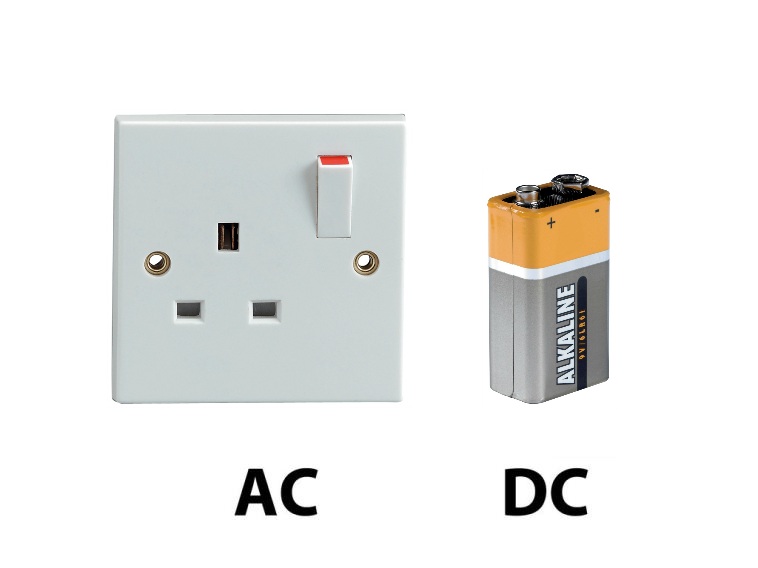
In applied circuit fundamentals, electrical energy primarily manifests through two main classification signals: alternating current (AC) and direct current (DC). Understanding these core voltage behaviors is paramount for electronic engineering trainees.
With alternating current pathways, the directional flow of charge carrying electrons throughout the circuit continuously reverses its polarity over periodic intervals. The rate at which this directional oscillation takes place is formally quantified in Hertz (Hz), indicating the exact frequency of complete wave cycles per second. For example, standard electrical power distribution operating at 60 Hz undergoes directional shifts 120 times every single second.
Conversely, Direct Current architectures maintain a unidirectional movement of electrical charge between the positive voltage terminal and the designated ground potential (0V). This fixed polarity configuration allows technicians to measure precise, non-oscillating voltage differentials across battery cells using digital multimeters.
Electric power is fundamentally specified by its potential voltage (measured in Volts) and rate of current flow (measured in Amperes). For instance, a standard fresh 9-Volt battery cell routinely provides a nominal 9V potential capable of delivering approximately 500 milliamperes of current.
Circuits
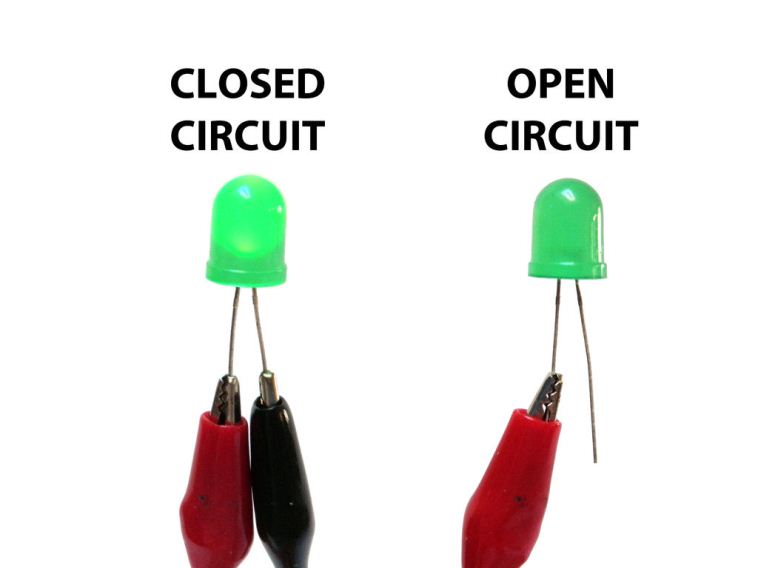
An electrical circuit constitutes a continuous, fully closed conductive loop through which electric current can travel continuously from the positive supply rail to the ground reference. A completed closed loop enables uninterrupted electron movement throughout all interconnected components.
Conversely, an open circuit represents a physical break along the conductive path, immediately halting electron flow and disabling circuit operation. Every active device, interconnecting conductor, and resistive load participating in this closed loop is considered an integral part of the circuit system.
Resistance
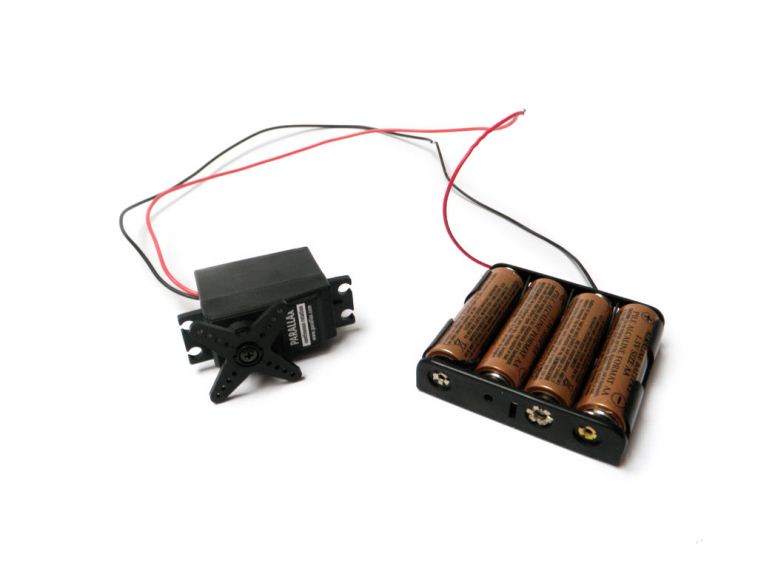
A fundamental principle governing direct current systems dictates that electrical potential energy within a circuit must be constructively utilized across resistive loads. Components like electric motors or lamps insert opposition to current flow, safely absorbing and converting electrical energy into useful work.
Connecting a positive supply directly to ground without intervening resistive components creates a low-resistance path known as a short circuit. Short circuits cause rapid, unrestricted current surges leading to excessive component heating, thermal damage, power source failure, or fire hazards.
Trainees must strictly enforce proper circuit insulation and component layout to prevent accidental direct short connections between positive supply rails and ground reference points.
Basic Components
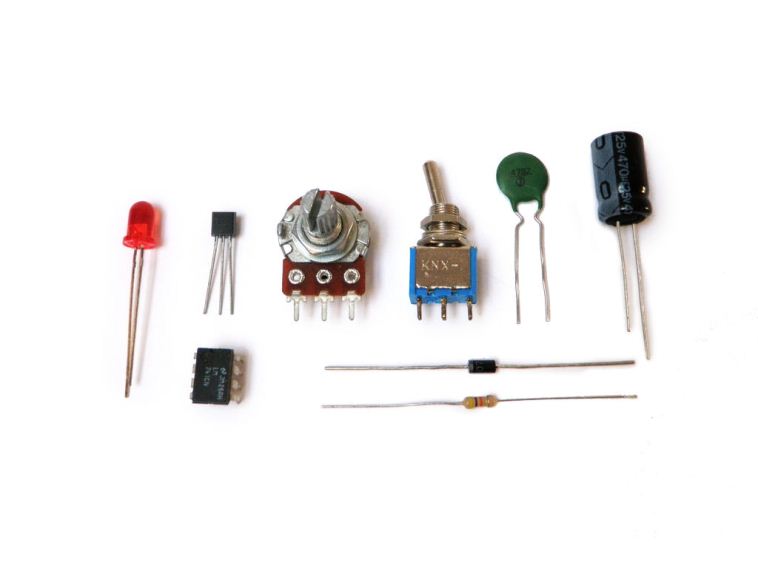
Building functional electronics requires a thorough mastery of foundational hardware components. These building blocks—including passive resistors, capacitors, and active semiconductors—form the essential core of modern electronic devices.
Resistors
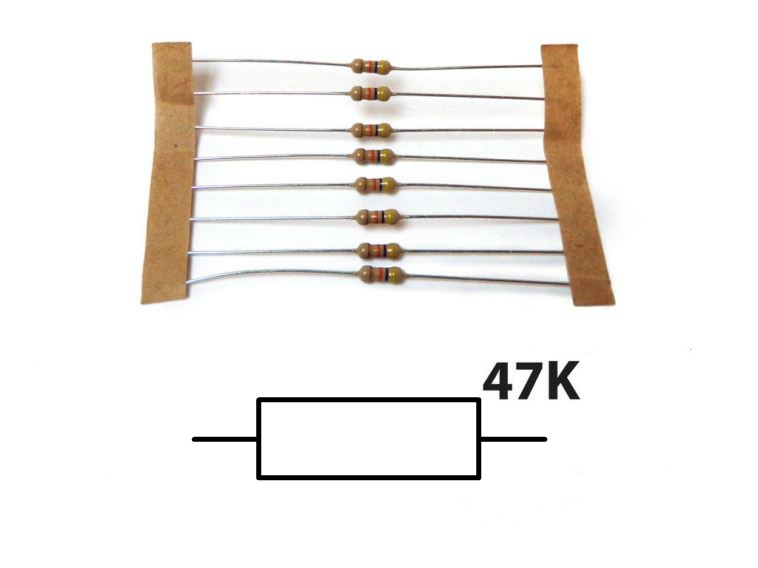
Resistors provide precise opposition to electric current flow within a circuit, thereby controlling voltage levels and protecting sensitive components. In schematic diagrams, resistors are symbolized by a zig-zag line annotated with their nominal resistance value in Ohms (Ω).
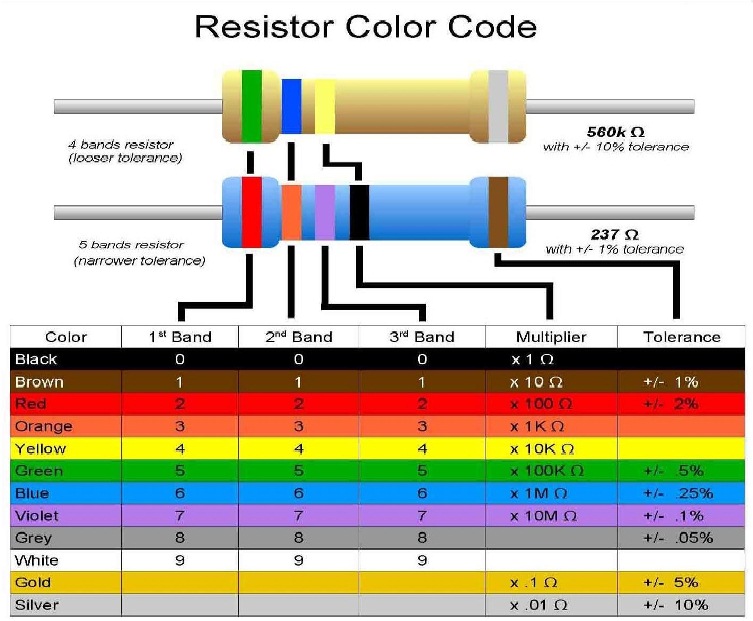
Standard axial resistors utilize color-coded bands read from left to right toward the tolerance band (typically gold or silver). The first two color bands indicate significant digits, the third band represents the decimal multiplier, and the final band designates manufacturing tolerance.
Capacitors
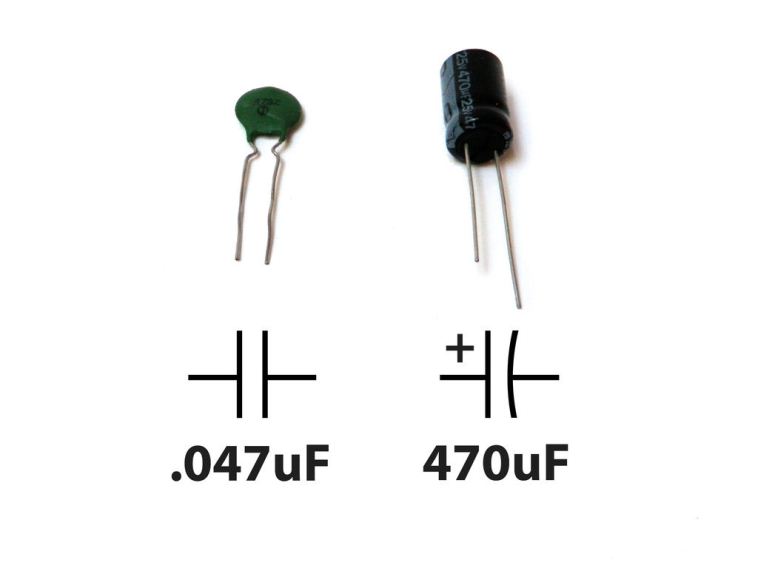
Capacitors store electrical charge within an electrostatic field and discharge that energy back into the circuit during voltage fluctuations. They act as temporary energy reservoirs to smooth out power supply ripple and filter unwanted signal noise.
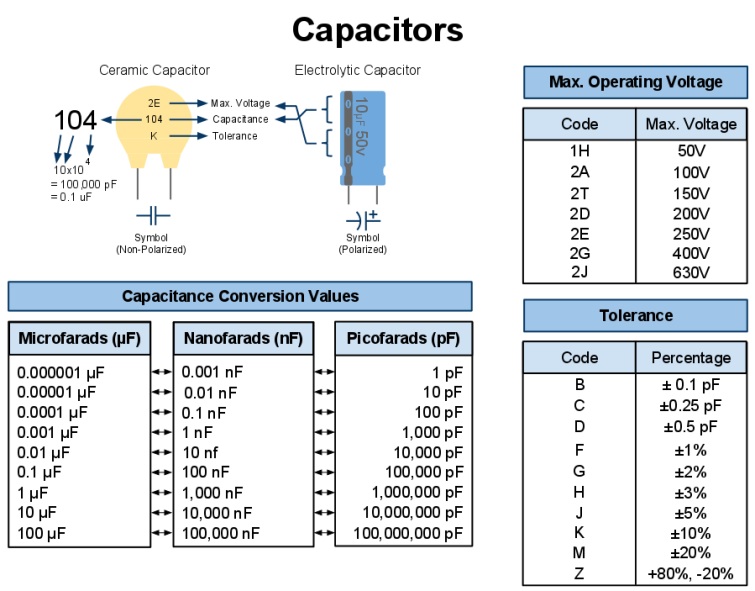
Capacitance is measured in Farads, with practical values specified in microfarads (µF), nanofarads (nF), or picofarads (pF). Ceramic disc capacitors are non-polarized, whereas electrolytic capacitors possess distinct positive and negative terminals that must be oriented correctly.
Diodes
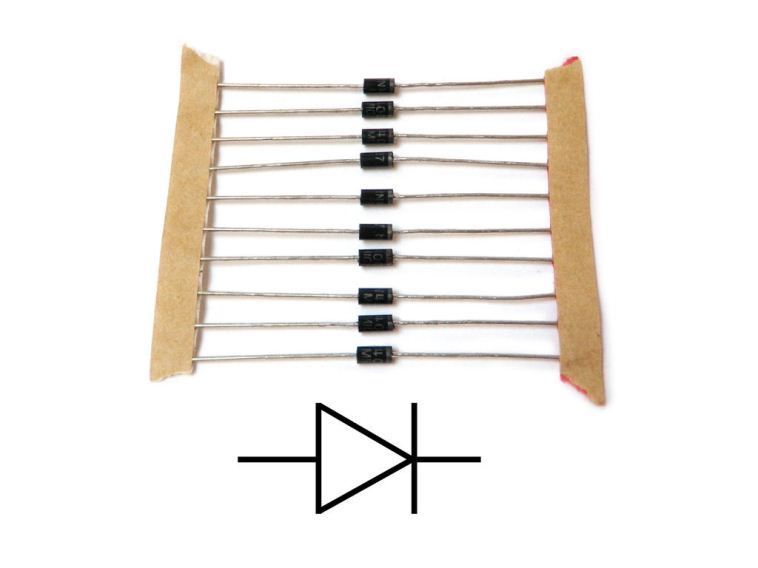
Diodes act as semiconductor one-way valves, permitting current flow exclusively in forward-bias orientation from anode to cathode while blocking reverse current flow. The cathode end is physically identified by a printed stripe around the component body.
Transistors
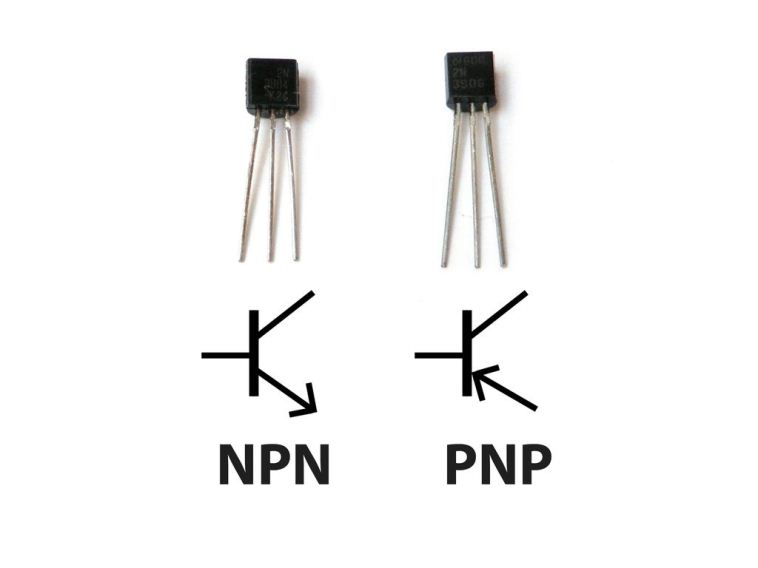
Transistors operate as electronic switches or signal amplifiers. Applying a small control current at the base pin regulates a significantly larger current passing between the collector and emitter terminals. Common bipolar junction types include NPN and PNP configurations.
Integrated Circuits
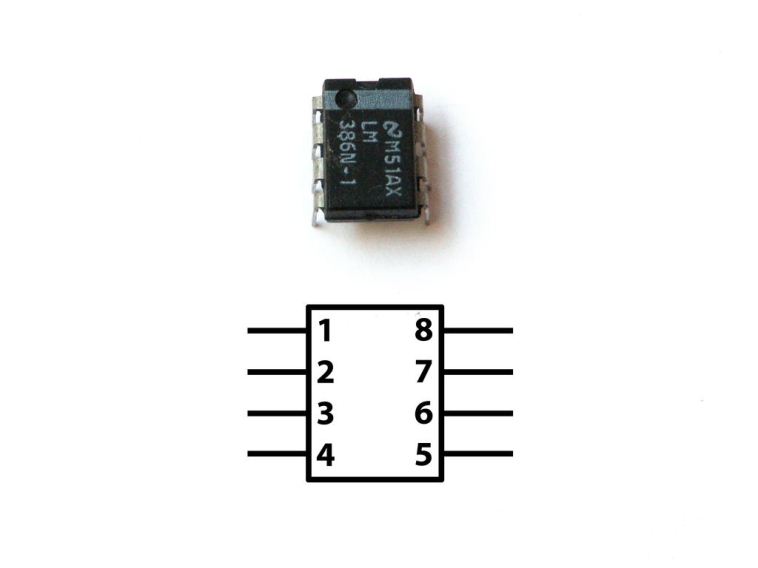
Integrated circuits (ICs) house complex, miniaturized electronic networks containing thousands of transistors, diodes, and resistors within a single silicon substrate package. Dual In-line Package (DIP) ICs utilize a reference notch or dot to identify Pin 1 location.
Potentiometers
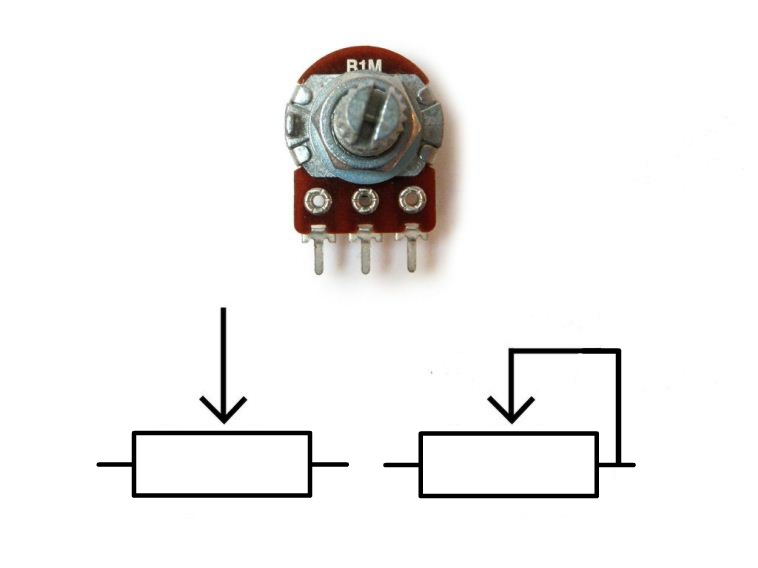
Potentiometers are manually adjustable three-terminal variable resistors. Rotating the shaft slides a wiper contact across an internal resistive element, providing adjustable voltage division for volume controls and sensor tuning.
LED
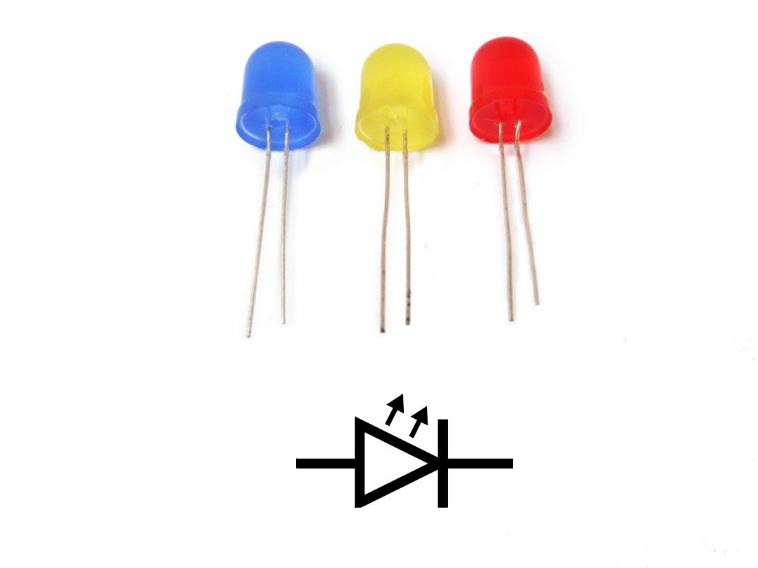
Light Emitting Diodes (LEDs) emit visible light when forward-biased electrical current passes through their semiconductor junction. The longer lead indicates the positive anode, while the shorter lead marks the negative cathode.
Switches
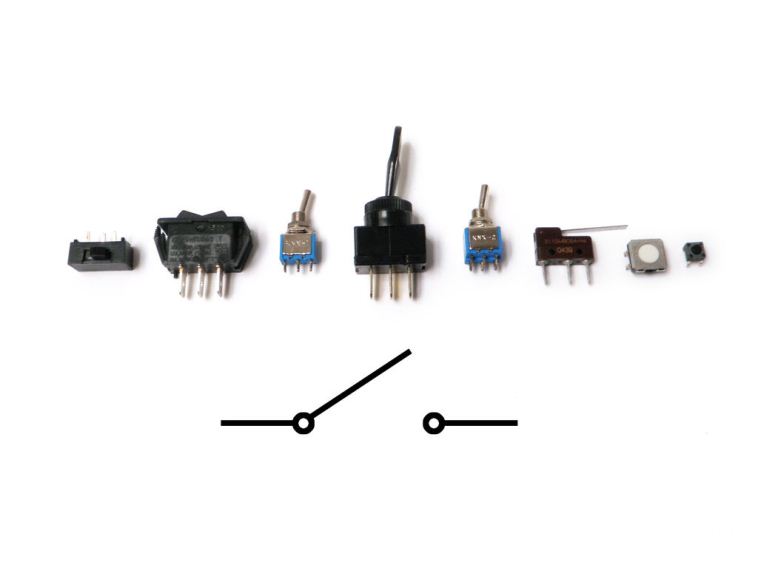
Switches provide mechanical control to open or close conductive pathways. Normally Open (N.O.) switches complete the circuit upon activation, whereas Normally Closed (N.C.) switches interrupt circuit continuity when pressed.
Batteries
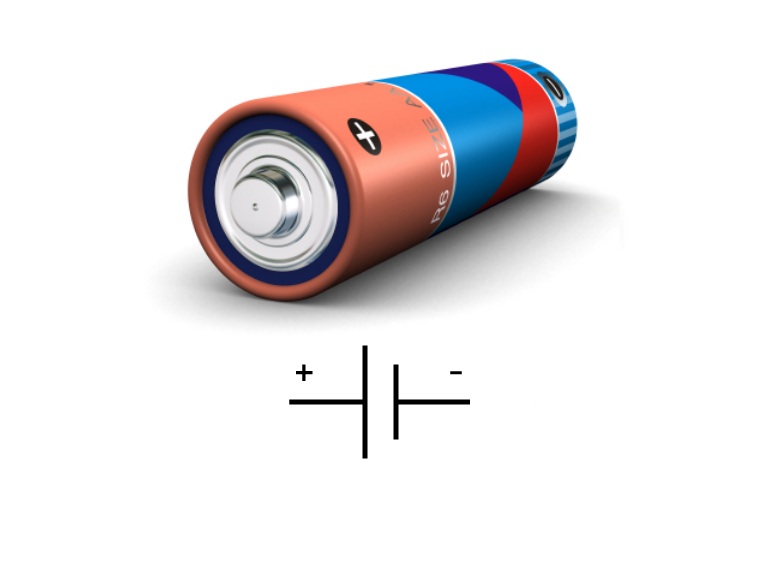
Batteries convert internal chemical energy into portable electrical power. Wiring battery cells in series combines their individual voltages, while parallel wiring increases total available current capacity.
Breadboards
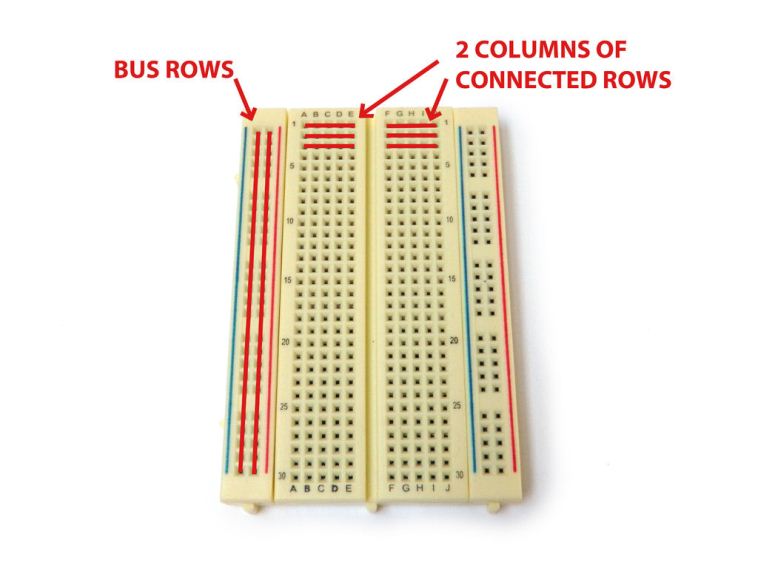
Solderless breadboards feature internal spring-clip socket strips arranged in connected terminal rows, enabling rapid experimental circuit assembly, testing, and component reusability without permanent soldering.
Wire
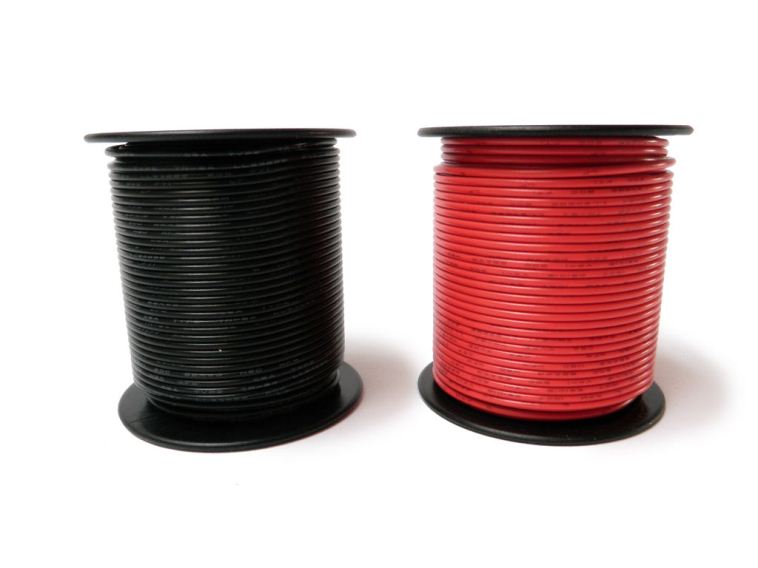
Solid-core jumper wire provides reliable low-resistance interconnections between breadboard socket rows and discrete electronic components.
Insulated copper wire enables flexible component placement across prototype circuit boards while maintaining high conductivity without introducing noticeable resistance drops into signal paths.
Content provided by: